Live data · plain-English guides · no hype
CS2 Skin Prices — live prices and the guides to understand them
CS2 skin prices confuse almost everyone at first: the same rifle skin can cost $9 or $900, a scratched-looking AWP can outsell a clean one, and a plastic-looking knife can trade for more than a used car. This site exists to make that world legible — we track live prices for the most-traded skins across major marketplaces, and we explain the machinery underneath: wear tiers and float values, case odds, marketplace fees, and the market cycles that swing the whole $6.7-8 billion economy.
Everything is written by Sukie, who has tracked this market since 2023 with a 400-skin spreadsheet — not by a content farm. Start with the live checker, or jump into the guide hub that matches your question.
Market snapshot
Prices as of October 13, 2026 · lowest live listingAWP | Dragon Lore (Factory New)
$10,385.00CSFloat
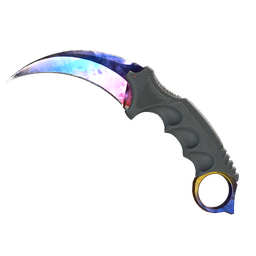
★ Karambit | Fade (Factory New)
$1,560.34CSFloat
M4A4 | Howl (Factory New)
$6,370.00CSFloat
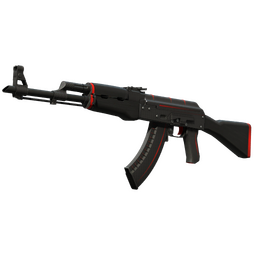
AK-47 | Redline (Field-Tested)
$24.80CSFloat
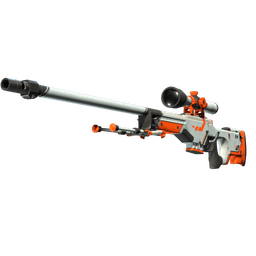
AWP | Asiimov (Field-Tested)
$94.11CSFloat
Kilowatt Case
$0.08CS.MONEY
From marketplace APIs, refreshed on a regular schedule. See all tracked items →
How CS2 skin prices actually work
Every price in this market is the meeting point of engineered scarcity and very human demand. On the supply side, Valve controls the spigots: which cases drop, which collections retire, and how rarity tiers cascade — from the common blue Mil-Spec drops (79.92% of case outcomes) down to the golden 0.26% chance of a knife or gloves. When a case leaves the active drop pool, its supply is frozen forever; when an update touches drop rates, billions of dollars in inventory reprice within days.
On the demand side sit more than 20 million active players, collectors chasing trophy items, and — increasingly since 2024 — people treating skins as an alternative asset. The result behaves like a real financial market, with bull runs, crashes, blue-chips, and meme rallies. Through 2025 the total market value climbed toward $8 billion according to SteamAnalyst’s 2026 market report, before the October 2025 update triggered the sharpest correction in the market’s history — an event worth studying if you plan to spend real money here, and one we unpack in why CS2 skin prices drop.
Wear and float: the five tiers that set the price
The single most misunderstood price driver is wear. Every skin carries a float value — a number from 0.00 to 1.00 assigned the moment it is created, fixed forever — that maps to five named tiers: Factory New (0.00-0.07), Minimal Wear (0.07-0.15), Field-Tested (0.15-0.38), Well-Worn (0.38-0.45), and Battle-Scarred (0.45-1.00). Two copies of the same skin in adjacent tiers can differ in price by 20% or by 400%, depending on how visibly that particular finish shows scratches.
This is where beginners overpay and where careful buyers quietly save hundreds. Some skins look nearly identical from Minimal Wear down to mid Field-Tested; paying the Factory New premium there buys a label, not a look. Other finishes fall apart visually past 0.20 and earn their premiums. The float & wear hub covers the mechanics, the float chart puts every range in one table, and our tier comparison shows, skin by skin, where the premium is justified.
What moves the market: updates, cycles, and events
Skin prices do not drift — they lurch. The catalysts repeat: a Valve update changes drop mechanics and repricing cascades overnight; a case rotation freezes supply and old cases begin their long climb; a Major tournament mints souvenir drops; player counts swell or shrink with the game’s seasons. The 2024-2026 arc is the cleanest case study the market has ever produced — a two-year bull run, a single-update crash that Reddit’s market forums called a billion-dollar wipeout, and a measured recovery. Reading that cycle is the difference between buying a dip and catching a knife (the bad kind).
We track this ongoing story in the investing hub with dated, sourced observations — and if you want the discipline of numbers over vibes, the skin tracking spreadsheet guide shows the exact columns and break-even math Sukie uses on her own inventory.
Checking any price in under a minute
A fair price check has three steps. One: find the item’s floor across marketplaces — that is what our price checker does for tracked items, and any marketplace search does for the rest. Two: adjust for the listing’s specifics — float within the tier, pattern, stickers — because “Field-Tested” spans everything from 0.15 gems to 0.37 disappointments, as our float-checking guide demonstrates. Three: remember the fee asymmetry — a Steam listing price includes a 15% platform cut and wallet-locked proceeds, so identical numbers on different venues are not identical deals.
Spending smart on a budget
Most players are not shopping for Dragon Lores — they want a loadout that looks good for the price of a pizza. That is a solved problem: the budget end of this market is deep, liquid, and full of skins that punch far above their price. A convincing knife-and-gloves setup fits under $100 if you shop wear tiers strategically; our combo guide builds seven of them. Gloves alone? Under $80 works. First skin ever? The first-skin guide has builds at $5, $20, and $50 — and the beginners hub explains every mechanic those builds rely on.
The one budget rule that outranks all others: buy the skin, not the case. At 0.64% odds for any red and 0.26% for a knife, opening cases is entertainment with a known price, not a discount route — the odds math makes it unambiguous, and the cases hub covers when cases are worth your money (usually: sealed, held, or simply enjoyed with clear eyes).
Selling, cashing out, and staying safe
Every skin owner eventually faces the exit question. Steam Market is fast and safe but takes 15% and pays you in wallet funds that never leave Steam. Real-money exits run through third-party marketplaces with their own fees, payout methods, and risks. The selling guide walks both routes step by step with the actual arithmetic of what lands in your pocket from a $100 sale.
And because a multi-billion-dollar market of teenagers’ inventories is irresistible to criminals: trades are final, Valve’s official policy is that scammed items are not restored, and the eight scam patterns in our scam guide account for nearly every horror story on the market forums. Ten minutes of reading is genuinely cheaper than learning any of them firsthand. The trading hub ties the whole ecosystem together.
The market in 2026, in numbers
| Metric | Mid-2026 estimate |
|---|---|
| Total market value | $6.7-8 billion |
| Cosmetic items in circulation | ~975 million |
| Distinct item owners | ~28 million |
| Daily marketplace volume | $15M+ (peaks $25M+) |
| Knife/gloves odds per case | 0.26% (~1 in 385) |
| Steam Market fee | 15% (wallet-only proceeds) |
Sources and fuller context live in each guide — headline figures via SteamAnalyst’s public market reporting and Valve’s published case odds.
Explore every guide
Six hubs cover the whole skin economy. Every guide is written to stand alone — start anywhere.
Float values, wear tiers, and how condition drives every CS2 price.
- CS2 Trade Up Float: The Formula, a Worked Example, and Why Your Output Was Field-Tested
- Battle Scarred CS2: The Tier Everyone Dismisses and the One That Occasionally Prints
- Factory New CS2 Skins: The 0.00–0.07 Tier, and When It Is Worth Paying For
- Lowest Float CS2 Skins: What Those Tiny Numbers Are Worth
- CS2 Float Checker: Reading a Skin's Exact Wear Number
- Well Worn vs Field Tested: Which CS2 Wear Should You Actually Buy?
- Minimal Wear CS2 Skins: The 0.07–0.15 Float Tier Explained
- How to Check CS2 Float: 3 Free Methods That Take Under a Minute
- Field Tested CS2 Skins: Why the Middle Wear Tier Wins on Value
- Factory New Minimal Wear Field Tested: CS2's Three Main Wear Tiers Compared
- CS2 Float Chart: Every Wear Range, What It Looks Like, and What It Costs
Case odds, which cases are worth opening, and case investing.
Budget knives, glove picks, and combo builds that fit real budgets.
- Best CS2 Knives Under $150: Five Picks That Punch Above Their Price
- CS2 Butterfly Knife: Why the Flip Costs More Than the Paint
- Skeleton Knife CS2 Guide: The Spin, the Finishes, and What to Pay
- CS2 Knife Trade Up: How the Five-Covert Contract Works, and What It Costs
- Stiletto Knife CS2: The Fastest-Feeling Draw in the Game, Priced Out
- Navaja Knife CS2 Guide: Every Finish, Real Prices, and an Honest Verdict
- Kukri Knife CS2 Price: Every Real Finish, Live Listings, and the Case Hardened Deep Dive
- Cheapest Knife CS2 Sells: The Real Floor Price and How to Buy It
- Knife and Glove Combos Under $100: 7 Pairings That Actually Work
- Best CS2 Gloves Under $80: Six Picks That Still Look Expensive
Selling, marketplaces, fees, and staying safe from scams.
Market cycles, tracking tools, and honest risk in the skin market.
- CS2 Skin Market Report October 2026: 53 of 55 Items Fell, and Two "Risers" That Weren't
- CS2 Skin Price Prediction: Why Every Forecast Fails, and What to Do Instead
- CS2 Skin Market Value: How Big the Economy Really Is, and How to Value Your Own Inventory
- CS2 Skin Price History: What 22 Days of My Own Data Actually Showed
- CS2 Skin Price Tracker: How I Built One That Actually Caught the August Slide
- CS2 Skin Market Report: August 2026
- Why Are CS2 Skin Prices Dropping? The Four Real Causes
- How to Build a CS2 Skin Investment Spreadsheet
New to CS2 skins? Start here — drops, first buys, and the basics.
The price checker, plus deep-dive pages on benchmark skins.
- AWP Asiimov Price: The Skin With No Factory New and the Cleanest Lesson in Float
- Souvenir Dragon Lore Price: The Cologne 2014 Item That Broke the Market
- Glock-18 Water Elemental: Price, Wear, and Why It Is Still the Best First Pistol Skin
- Karambit Fade Price Guide: Fade Percentages, Full Fade, and What Drives Value
- AWP Dragon Lore Price: History, Wear Tiers, and Why It Rules the Market
- AK-47 Redline Price Guide: The Mid-Tier Benchmark Skin
CS2 skin prices: frequently asked questions
Where can I check CS2 skin prices for free?
Right here — our live price checker compares the lowest current listing for popular skins, knives, gloves, and cases across Steam, CSFloat, Skinport, and other major marketplaces, with a visible "as of" date on every refresh.
Why are CS2 skins so expensive?
Scarcity is engineered: rare drops (a knife appears in roughly 0.26% of case openings), discontinued collections whose supply is frozen, and wear tiers that make clean copies genuinely rare. Add 20+ million active players competing for those items and prices follow.
What determines the price of a CS2 skin?
Four forces: rarity tier, wear (the float value fixed at unboxing), supply events like case removals, and demand cycles driven by the player base and market sentiment. Pattern variants and stickers can multiply the price of otherwise identical skins.
Are CS2 skin prices going up or down right now?
The market surged through 2024-2025, corrected sharply after the October 2025 update expanded Covert drop pools, and has been recovering through 2026. Our investing hub tracks the cycle with dated observations rather than hype.
What is float in CS2?
A hidden number between 0.00 and 1.00 assigned when a skin is created, which never changes. It maps to the five wear tiers — Factory New (0.00-0.07) through Battle-Scarred (0.45-1.00) — and small float differences can mean large price differences.
Is Factory New always worth the premium?
No. For many skins, Minimal Wear looks identical in play at a fraction of the price, and some skins barely change appearance even in Field-Tested. Our wear-tier comparison shows where the premium is justified and where it is pure label tax.
How do I sell CS2 skins for real money?
Steam Market proceeds stay locked in your Steam wallet, minus a 15% fee. Cash requires a third-party marketplace with payout support — lower fees, but more steps and more care needed. Our selling guide compares the routes with worked fee math.
Can you actually make money with CS2 skins?
Some people have, especially holding cases and discontinued items through the 2024-2025 run — but skins are unregulated digital items on a platform Valve fully controls. Prices crash, rules change, and nothing here is financial advice.
What is the cheapest way to get a knife in CS2?
Buy it directly on a marketplace. Entry knives like the Navaja or Shadow Daggers start around $65-100, while unboxing one costs roughly $958 in keys on average at 0.26% odds. Opening cases for a knife is entertainment, not a strategy.
Are CS2 cases worth opening?
Financially, almost never — the expected value of an opening is well below the cost of case plus key. Cases themselves, held sealed, have historically been a better bet than opening them, though past performance guarantees nothing.
How big is the CS2 skin market?
Estimates put the total market value between $6.7 and $8 billion in 2026, spread across roughly 975 million items held by about 28 million owners, with daily marketplace volume above $15 million.
Do I need to worry about scams when trading?
Yes — API-key hijacks, fake middlemen, and quick-switch trades cost players real money every day, and Valve does not return scammed items. Our scam guide covers the eight most common patterns and the tells that give each one away.

Sukie · Founder & Market Tracker
Sukie has tracked the Counter-Strike skin economy since 2023, maintaining a price-history spreadsheet that covers 400+ skins and testing every major marketplace with her own inventory. She writes and updates every guide on CS2 Skin Prices herself.